Stop Termites Quietly Eating Your Sunshine Coast Home
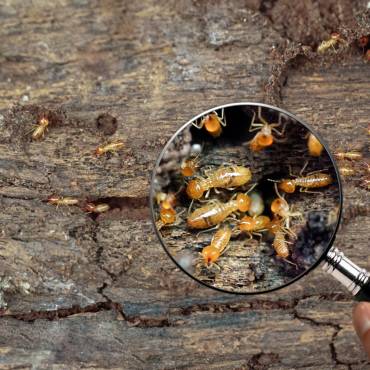
Termites love Sunshine Coast homes. Warm weather, regular storms and plenty of timber give them everything they need. The worst part is they can eat away in silence while life is busy with school runs, work, sport and holidays.
Many homeowners do not notice any problem until there is serious damage. By then, skirting boards, frames and even structural areas can already be affected. A simple seasonal termite inspection in Sunshine Coast suburbs helps catch activity early and cuts a lot of stress for you and your family.
Think about a long school holiday trip while your home sits empty. The garden is lush from summer rain, gutters are full of leaf litter and there is a slow leak near the hot water system. That is a perfect season for termites. Regular, season-aware checks keep that kind of hidden risk under control and help protect your biggest asset.
Why Sunshine Coast Seasons Supercharge Termite Risk
Our climate does half the work for termites. Warm temperatures keep them active most of the year, and stormy periods give them the moisture they love.
Here is how local seasons help termites move in:
- Summer storms keep soil damp, which termites need to travel and build mud tubes
- Humid air lets them feed closer to the surface of timber without drying out
- Rapid garden growth puts plants and mulch right up against walls and piers
- Periods of heavy rain can push termites from soggy yards into your house
Even though we do not get freezing conditions, there are still clear seasonal shifts. Termites respond to those shifts by changing where they nest and feed. That is why a single check every few years is not enough for many Sunshine Coast homes. Seasonal termite inspection in Sunshine Coast conditions means timing your checks around rain patterns, garden growth and building style, not just the calendar.
Seasonal Red Flags Homeowners Commonly Miss
Most termite signs are subtle and easy to blame on other things. Small changes in different seasons can hint at a hidden problem.
Common red flags include:
- Soft or crumbly skirting boards after a run of wet weather
- Tiny mud spots or trails on walls or in the garage after summer rain
- Doors and windows that suddenly start sticking in humid months
- Paint that looks bubbled or uneven on timber, even though it is not very old
People often think these are just weather issues or normal ageing. But termites can hollow out timber from the inside, leaving only a thin skin of paint. What looks like swelling from humidity might actually be empty timber.
There are also quiet risk factors outside that many owners overlook:
- Fresh mulch piled high for new planting
- Firewood stacked against the house or on bare soil
- Leaking outdoor taps, AC overflows or hot water system drains
- Garden beds raised above slab edges or covering weep holes
On their own, these things might not seem like much. Together, they create a termite buffet around your home. Seasonal termite inspection in Sunshine Coast suburbs is a chance to find these issues early and plan what to fix first.
When to Book a Termite Inspection in Sunshine Coast
The best time for termite checks is before activity peaks, not after you notice damage. For many homes, late autumn and early spring are smart times. Inspections then can:
- Pick up colonies before the full summer storm cycle
- Check moisture issues after long wet periods
- Review any changes to drainage, gardens or structures since the last visit
How often you book an inspection depends on your risk. Things that raise termite risk include:
- Homes on piers or with subfloors
- Properties close to bushland, creeks or rivers
- Older homes with a lot of original timber
- Houses with heavy landscaping or timber fences connected to structures
A professional termite inspection in Sunshine Coast conditions uses tools that most people do not have at home. We use things like moisture meters and thermal imaging to check behind walls, inside cavities and under floors, so we can find clues that are invisible to the eye.
What a Thorough Termite Check Should Actually Include
A quick walk around the house is not enough. A proper inspection follows a clear system so nothing is missed.
A thorough check usually covers:
- External perimeter, including walls, slab edges, weep holes and patios
- Subfloor areas and around slab edges where termites can enter
- Roof voids and ceiling spaces for hidden damage and leaks
- Wet areas like bathrooms, laundries and kitchens
- Gardens, fences, retaining walls and outbuildings
Afterward, you should get a detailed written report. When we inspect, we include:
- Any active termites found
- Signs of past termite damage or treatment
- Conditions that make attack more likely, such as moisture or timber in contact with soil
- A clear termite risk rating for your property
- Practical treatment or monitoring recommendations
This is very different from a quick visual check. A proper inspection meets Australian Standards, has photos and diagrams, and gives you an action plan you can follow over future seasons.
Protecting New Builds with Seasonal Pre‑Construction Plans
New homes are not safe just because they are new. On the Sunshine Coast, building without termite protection can lead to problems soon after handover, especially when storm season kicks in.
Good pre‑construction protection often includes:
- Physical barriers installed during building stages
- Reticulation systems that let treatment be topped up in the soil zone
- Treated zones around foundations and critical entry points
These systems are designed to work for the long term, but they still need checks as seasons change. Landscaping after handover can cause issues if:
- Soil or garden beds are built up over barriers
- New decks, paths or sheds bridge treated zones
- Changes to drainage leave areas damp against the house
Seasonal termite inspection in Sunshine Coast conditions is the best way to confirm that those protections are still doing their job as your new home and garden settle in.
Simple Seasonal Habits to Reduce Your Termite Risk
Small, regular habits add a lot of protection between professional inspections. Think of them as a quick seasonal checklist rather than a big project.
Outside, focus on:
- Cleaning up fallen branches and storm debris around the house
- Keeping soil, mulch and garden beds below slab edges and weep holes
- Fixing dripping taps, AC overflows and gutters that dump water near walls
- Trimming plants so they do not touch external walls, roofs or timber fences
Inside, make a habit of:
- Checking wet areas for leaks, dampness or soft timber
- Looking at skirting boards, window frames and door frames for changes
- Noting any new cracks, bulges or tight doors and mentioning them to your pest technician
- Keeping past reports so you can compare any new findings
These habits do not replace professional checks, but they help you notice small changes early. Combined with a regular seasonal termite inspection in Sunshine Coast suburbs, they give your home strong, year‑round protection.
Protect Your Sunshine Coast Home With A Professional Termite Check
If you have noticed any signs of timber damage or just want peace of mind, book a thorough termite inspection in Sunshine Coast with Extermapest today. Our licensed technicians use detailed reporting and proven detection methods to catch termite activity early and help you avoid costly repairs. To arrange a suitable time or ask a question, simply contact us and we will talk you through your options.