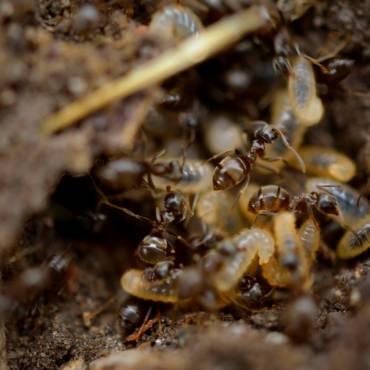

Stop Termites Thriving in Sunshine Coast Rain
Wet weather on the Sunshine Coast does more than fill water tanks and freshen the garden. All that moisture also gives termites exactly what they want, right around our homes and workplaces. When gutters overflow, subfloors stay damp and garden beds hold water, termites see an open invitation.
Moisture is the number-one thing termites look for. It softens timber, keeps soil damp and lets them move in hidden tunnels without drying out. Gutters, subfloors and garden beds are three of the biggest moisture hotspots, especially once regular showers and storms settle in.
With some smart maintenance and a proper termite inspection in Sunshine Coast properties, the risk can drop a long way. We can break the problem into clear zones, then tackle each one before it turns into major timber damage that is hard and costly to fix.
In this guide, we will walk through the main moisture traps around local homes and businesses, and share simple, practical steps to make your place far less attractive to termites during the wet months.
Why Wet Weather Supercharges Termite Risk
Rain and humidity are part of life here, but for termites, they are a green light to grow and spread. Damp soil and timber give termites the steady moisture they need to eat and build without stopping.
When wet weather hangs around, you often see:
- Softer timber in decks, frames and fences
- Constantly damp soil around slab edges and footings
- Shaded areas that never quite dry out between showers
Hidden moisture is one of the biggest problems. It does not always look like a big leak. It might be:
- A slow gutter overflow that trickles into a wall
- Pooling water near the foundations after every storm
- A tiny pipe leak under a bathroom or kitchen
Termite colonies love these quiet, damp spots. During and after heavy rain, they often send out flying termites to start new nests. If those swarmers land near soft, wet timber or soil touching your building, a new infestation can begin without anyone noticing.
Regular termite inspection in Sunshine Coast homes and commercial sites helps catch these moisture issues early. A trained eye can find signs like mud tubes, damp timbers and drainage problems that usually stay hidden until damage is advanced.
Gutter and Roofline Traps That Invite Termites
Gutters and rooflines are easy to forget, but when they fail, they soak the very timbers that hold your place together. Blocked gutters and overflowing downpipes push water into roof edges, wall cavities and fascia boards.
Over time, this can lead to:
- Rotting fascia and barge boards
- Damp eaves and ceiling edges
- Swollen or stained internal walls
Once that timber is damp, termites only need a tiny gap to get in. They can travel from the soil up into the roof void, then spread through the wall framing where you cannot see them.
To reduce the risk around your gutters and roofline, aim to:
- Clean gutters regularly, especially before and during the wetter months
- Check downpipes are clear and actually connected to drainage
- Watch for sagging gutters or rusty sections that hold water
- Fix small roof leaks and damaged flashing before they grow
If your gutters overflow often, or you keep seeing damp marks on ceilings or eaves, it can be worth having a pest professional check for termite activity and map where moisture is collecting. That way, any hidden problem areas around the roof and wall cavities can be found and dealt with early.
Subfloors and Slab Edges Under Rainy Season Pressure
Subfloors and slab edges are some of the highest-risk zones on a Sunshine Coast property once the rain starts to stick around. These spaces are usually dark and still, so when moisture gets in, it can stay trapped.
Common risk factors include:
- Poor or blocked ventilation under the house
- Water draining under the building instead of away from it
- Leaking showers, bathrooms or laundry areas
- AC units dripping straight onto the ground near the foundations
- Garden beds or soil piled up against the slab edge
When the air under the house is damp, timbers like bearers and joists can become soft and attractive to termites. Soil that sits right up against the slab gives them a hidden highway into the structure, often through tiny cracks or gaps around service pipes.
Helpful moisture management steps are:
- Keep vents clear and improve cross ventilation where possible
- Remove stored items from the subfloor so air can move freely
- Extend downpipes and AC outlets so water drains away from the house
- Maintain a clear inspection gap between soil and any exposed slab
A professional inspection in these areas makes a big difference. We can check moisture levels, look for termite workings and spot conditions that are easy to miss, especially in tight or awkward subfloor spaces.
Garden Beds, Sleepers and Landscaping Red Flags
The garden is another favourite termite zone. Raised beds, timber sleepers and thick mulch all hold moisture and shade, which termites love. When these sit right up against the house, they create a simple bridge from the yard to your walls.
Risky landscaping setups often include:
- Garden beds built hard against external walls
- Mulch piled high over slab edges or weep holes
- Old timber sleepers that stay damp and start to rot
- Timber retaining walls with soil pressed tight behind them
Weep holes and slab edges should stay open and easy to inspect. When beds or mulch cover these spots, termites can sneak through behind the garden where no one is looking.
Safer choices around the garden include:
- Using non-timber or termite resistant materials for edging and sleepers
- Keeping mulch pulled back from the house by a clear strip of bare ground
- Making sure garden beds do not cover weep holes or bridge any termite barriers
- Avoiding stored timber or firewood piles up against the walls
Combining smart landscaping with periodic checks by a professional helps keep termite pressure lower around the whole yard, not just at the building line.
Take Control Before Termite Damage Takes Over
Wet months on the Sunshine Coast put three main areas under pressure: gutters and rooflines, subfloors and slab edges, and garden beds and landscaping that stay damp. When these zones hold moisture, they quietly turn into termite hotspots right next to your home or business.
Early attention to leaks, drainage and garden layout, backed by a thorough termite inspection in Sunshine Coast conditions, is far easier and cheaper than dealing with structural damage later on. At Extermapest, we work with local properties to find these moisture traps, check for activity and set up a clear plan to keep termites in check before the next big rain hits.
Protect Your Sunshine Coast Home With A Professional Termite Check
If you have noticed any signs of termites or simply want peace of mind, now is the ideal time to book a thorough termite inspection in Sunshine Coast with Extermapest. Our licensed technicians will carefully assess your property and give you clear, practical advice on the best next steps. To arrange a visit or ask a question, simply contact us and we will help you protect your home for the long term.