Protecting Your Dream Home From Day One
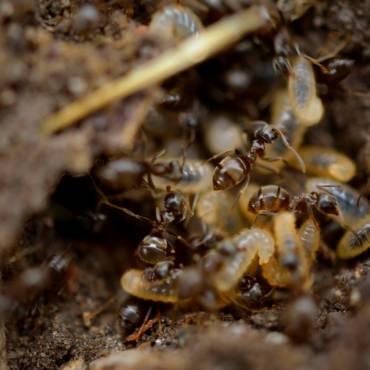
Planning a new build on the Sunshine Coast is exciting. You are choosing layouts, colours and finishes, and picturing how life will look once you move in. In all that planning, it is easy to forget the quiet threat under the soil: termites. They do not make noise; they stay hidden, and by the time you notice them, the damage can be serious.
Our warm, often humid climate and varied soils give termites a perfect home. Timber in your walls and roof can be very tempting food. Once termites find a way in, they can eat through key parts of the structure before anyone spots the signs. That is why planning pre-construction termite treatment from the start is a smart way to protect the home you are working so hard to build.
Pre-construction termite treatment is a long-term safety net that is far easier to install while the house is going up. It is designed to help block or deter termites before they ever reach the main structure. As local pest technicians on the Sunshine Coast, we understand how local conditions, council expectations and building codes all come together when it comes to termite protection in new homes.
Why New Builds Still Need Termite Protection
Many people think a brand new home is safe from termites. Fresh concrete, new timber and modern building methods feel strong and secure. But even a new slab can have tiny gaps and joins that termites love.
Common weak points in new builds include:
- Gaps around pipes and service penetrations
- Cracks along slab edges and expansion joints
- Junctions where different building materials meet
- Areas where soil or garden beds sit up against the house
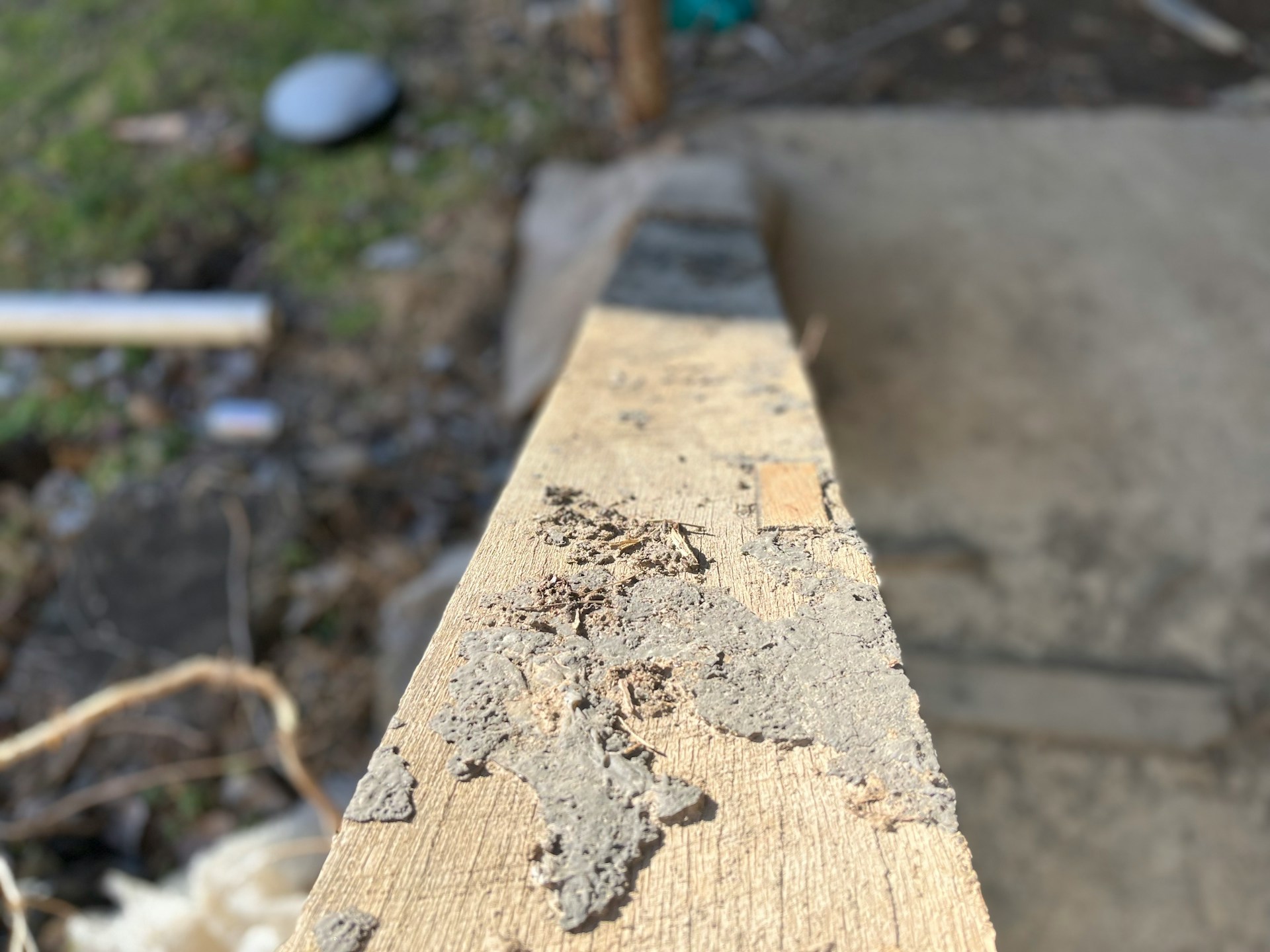
These spots can let termites move into hidden areas, such as wall frames and subfloors, without being seen. The real problem is that they can keep eating away for a long time before any damage is spotted. Repairs can mean opening up walls, replacing timbers and sometimes even moving out while work is done. A history of termite damage can also worry future buyers and affect resale.
Across Australia, termite management in new homes is expected by standards and often by builders, lenders and insurers as well. On the Sunshine Coast, many new estates are close to bushland or older suburbs where termite activity is common. Add our warm, moist conditions and you have a higher level of termite pressure around many building sites. That is why planning termite protection from day one makes so much sense.
How Pre-Construction Termite Treatment Works
Pre-construction termite treatment means putting a termite management system in place as the house is being built. The aim is simple: make it hard for termites to get into the structure from the soil without being noticed.
Key stages usually include:
- Site preparation and soil checks
- Pre-slab treatment to the soil in some designs
- Installing physical or chemical barriers at critical points
- A final check and paperwork before the home is handed over
On the Sunshine Coast, common options are physical barriers installed around slab penetrations and along critical joins, reticulation systems that allow controlled distribution of termite products into the soil, and treated zones under or around slabs to help stop hidden termite entry.
The best results come from an integrated plan that suits the actual house being built. Different blocks and designs call for different combinations. Things like soil type, how much the land slopes, drainage paths and even planned paths and garden beds all play a part. A one-size-fits-all product used the same way on every site can leave weak spots and blind areas.
Choosing the Right Termite System for Your Build
There is no single termite system that suits every new home. The right choice depends on how you are building, where you are building and what you plan to do with the yard later.
Main options usually include:
- Physical barriers under and around slabs and at penetrations
- Chemically treated soil zones under or beside structural elements
- Hybrid systems that mix both physical and chemical methods
Key factors to think about are:
- Type of build, slab-on-ground, split-level, high-set or raised
- Block slope and how water will move across the site
- Drainage solutions, swales, channels and drainage pits
- Future landscaping, decks, paths and garden beds
- Your overall build budget and long-term plans for the home
Whatever mix is chosen, it is important that the products and methods meet Australian Standards and that the work is carried out by licensed, experienced installers. Good planning with your builder and certifier is also important. The termite system needs to be allowed for in the construction schedule, especially around footing stage, slab stage and services. Proper documentation at the end helps show what was installed and where, which is handy for future inspections and any changes to the property.
Sunshine Coast Climate, Seasons and Termite Risk
Our climate on the Sunshine Coast keeps termites active for most of the year. Warm days, mild nights and regular moisture mean they do not need to slow down too much across the seasons. They can move through soil, mulch and garden beds quietly while everyone is busy with everyday life.
Building activity often peaks outside of major holiday periods, and many groundworks and slabs go in through what other areas might call the cooler months. That makes this time of year a key planning window. Sorting out your pre-construction termite treatment before site cut or footings start helps avoid delays later.
Heavy rain events can also change the way termites move. Water can shift soil, wash away poorly treated areas or change how moisture collects around the slab. DIY attempts or rushed installations that do not take drainage and runoff into account are more likely to fail. A professionally designed system looks at local weather patterns, flood-prone spots, stormwater paths and how water might pool near the house.
Keeping Your Termite Barrier Working for the Long Term
Pre-construction termite treatment sets up a strong base, but it is not a set-and-forget fix. Termites are always looking for new paths, and changes to your block can affect how well the system works.
Ongoing protection usually includes:
- Regular termite inspections by a qualified technician
- Careful planning of any renovations, decks or extensions
- Avoiding disturbance of treated soil around the home
- Keeping weep holes and inspection zones clear and visible
Common homeowner mistakes include building garden beds or raised planters against external walls, paving over inspection zones, adding steps or ramps without checking barrier locations, and stacking timber or mulch right up against the house. All of these can give termites new cover and a hidden path into the structure.
We focus on clear records, simple explanations and reminders so owners know what has been installed and how to look after it. When everyone understands where barriers are and how they work, it is much easier to keep long-term protection on track.
Protect Your New Build From Termites Before They Become a Problem
Lock in long-term termite protection before you pour the slab with our tailored pre-construction termite treatment solutions. At Extermapest, we work closely with your builder to meet Australian Standards and engineering requirements while keeping your project on schedule. If you would like a quote or need help coordinating treatment stages, simply contact us and our team will guide you through the next steps.