Protect Your Sunshine Coast Home From Silent Destroyers
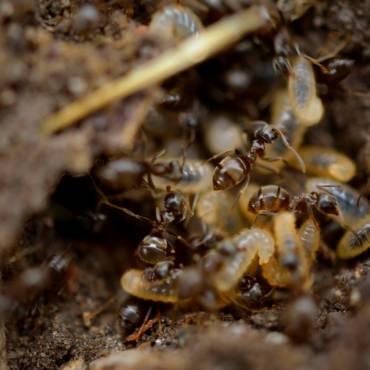
Termites love the Sunshine Coast almost as much as we do. Warm weather, coastal moisture and plenty of timber in our homes create perfect conditions for these silent destroyers. They work out of sight, chewing through timber and other materials for a long time before anyone spots the warning signs.
Left alone, termites can weaken important parts of a home. Wall frames, support beams and flooring can all be affected, and repairs are often stressful and disruptive for families. This is why long-term protection, not just quick sprays, matters for local homeowners.
A professionally installed termite barrier is one of the strongest ways to keep termites out. It sets up a protective zone around your property so termites are stopped before they reach the main structure. In this article, we will walk through how termite barrier installation in Sunshine Coast homes actually works, step by step, so you know what to expect from start to finish.
Why Termite Barriers Matter on the Sunshine Coast
Our local conditions are a termite dream. Warm air, regular coastal rain and leafy gardens mean there is almost always moisture and food for termites to find. Many Sunshine Coast homes use timber in frames, decks, fences and landscaping, which gives termites many ways to move in.
Modern termite barriers are designed to stop that. They create a treated zone in the soil or a protected layer around the building so termites are blocked or controlled before they can enter. Instead of waiting to see damage, a barrier focuses on prevention.
There are two main types of barriers used around homes:
- Physical barriers that sit in or around the construction to make it hard for termites to get through
- Chemical barriers where the soil is treated with a termiticide that termites cannot detect
Physical systems work as a shield, while chemical barriers work more like a protective zone. Both types are installed to meet Australian Standards and product label rules, and when installed correctly they fit in with normal family life.
For homeowners, the biggest benefit is peace of mind. It is usually far easier to protect a sound home than to repair one after termites have already caused damage. Late autumn and early winter are smart times to get ready, because you can have a barrier in place before termite activity increases again during the warmer, humid months.
Assessing Your Home Before Termite Barrier Installation
Good termite protection starts with a careful inspection. Before any termite barrier installation in Sunshine Coast homes, we first look closely at how the property is built and where termites are most likely to attack.
During this inspection, we will usually:
- Check slab edges, footings and wall bases for gaps and entry points
- Look under the house if there is a subfloor area, paying attention to moisture and airflow
- Inspect gardens, paths and retaining walls close to the house
- Look for signs of current or past termite activity
The construction style of your home has a big impact on the design of the barrier. Common types include:
- Slab-on-ground homes where we work around the outside slab edge
- Split-level homes that may need different treatment zones at different levels
- Raised homes with subfloors that need special attention to posts and supports
On the Sunshine Coast, we often see extra risk factors such as garden beds built right up against walls, timber decks that sit low to the ground, old tree stumps and timber sleepers in landscaping. All these areas can give termites easy paths towards the home if they are not managed.
Clear communication is a big part of this planning stage. We take time to explain what we find, where the risks are and what options suit your home. This way, the final barrier design is tailored to your property, not just a one-size-fits-all approach.
Step-by-Step What Happens During Termite Barrier Installation
Once the plan is agreed, the installation can begin. Many homeowners are surprised at how organised and methodical the process is. It is hands-on work, but it should not feel chaotic or out of control.
Typical steps include:
- Site preparation, which may mean gently moving soil away from slab edges
- Digging narrow trenches beside external walls, paths or footings
- Drilling small holes through concrete paths or pavers where we cannot trench
- Protecting gardens and lawn as much as possible while working around them
If we are installing a chemical barrier, termiticide is applied carefully into the soil or drilled holes following Australian Standards and strict label directions. The goal is a continuous treated zone with no gaps. For physical components, such as collars or barrier layers around service pipes and construction joints, everything must be fitted correctly so termites cannot squeeze through.
After treatment, we backfill trenches and put soil back neatly. Any drilled holes in concrete or pavers are sealed and patched so the finished look is tidy. We respect that we are working around your home, not on a building site, and we aim to keep disruption to daily life as low as possible.
The time needed depends on the size and complexity of the property, but a typical home is often completed within a short, planned timeframe. We usually need clear access all around the outside walls, and in some cases under the house or inside garages and storage areas.
Safety is always front of mind. Products are chosen and applied in a way that fits family living, including kids and pets, while still being very effective against termites. We are happy to explain how treatments work and answer any questions so you feel comfortable with what is being used on your property.
Life After Installation: Maintenance, Warranty and Seasonal Checks
A termite barrier is long lasting, but it is not a set and forget solution. Soil moves, gardens grow, drains leak and new pathways or decks get added. All of these can change how well the barrier works over time.
Regular termite inspections help keep everything on track. During these checks, we look for:
- Signs of termites trying to bridge over or around the barrier
- Soil that has been moved, washed away or piled up against walls
- Leaks, poor drainage or overwatering that may attract termites
- New structures or landscaping that cut across treated zones
You will also receive paperwork such as treatment certificates or diagrams of the barrier layout. These records are handy for insurance, future buyers or when planning renovations, because they show where the protection is and what was used.
There are a few simple habits that help your barrier do its job:
- Keep garden beds a little away from external walls
- Do not stack firewood, timber or cardboard directly against the house
- Make sure drains and downpipes are working well
- Keep an eye out for mud tubes or odd marks on walls, posts and fences
Local weather can play a big part too. Heavy rain, long wet periods, renovation work or big garden projects are all good reasons to book a check to make sure your barrier is still in top shape and termites have not found a new path in.
Protect Your Sunshine Coast Home From Costly Termite Damage
If you are ready to secure your property for the long term, our team can design and install a tailored termite barrier installation in Sunshine Coast that suits your home and soil conditions. At Extermapest, we focus on practical solutions that fit your budget while meeting Australian standards. Reach out to our friendly team today via our contact page and we will arrange an inspection and clear plan to protect your home.