Don’t Let Termites Eat Your Sunshine Coast Lifestyle
Termites love the same things many of us love about the Sunshine Coast: warm days, humid air, and plenty of timber. Our homes often have decks, timber frames and lush gardens that come right up to the walls. It feels relaxed and coastal, but it can be the perfect set-up for termites to move in quietly.
The trouble is, termites do not make a lot of noise. They can eat away inside walls, roof voids and subfloors for a long time before you see anything on the surface. By the time the signs are obvious, the damage can already be expensive and stressful to fix.
We want to help you spot the warning signs early. You will learn what to watch for around your home, what signs mean you need urgent help, and when it is time to call a local expert for termite treatment in Sunshine Coast.
Subtle Early Signs Termites Are Moving in
Early termite activity is sneaky. Termites like dark, damp and hidden spots, which means they can stay out of sight while they slowly eat away at timber. They often start in areas you do not look at every day, such as behind skirting boards, in the roof or under the house.
A few small changes around the home can be early warning flags, not full red alerts yet, but enough to take seriously:
- Blistered or rippled paint that looks like water damage but feels dry when you touch it
- Tiny bumps or bubbles on walls where the surface seems to sag a little
- Faint clicking or rustling inside walls, often easier to hear at night when the house is quiet
- Doors and windows that suddenly feel tight, sticky or out of alignment with no clear reason
These can be easy to brush off. Many people think it is just old paint, humidity or a bit of movement in the house. On the Sunshine Coast, humidity is often blamed for everything. But when these signs appear without a clear cause, it is smart to get a professional termite inspection. Catching termites at this stage can save a lot of stress later.
Clear Visual Clues Your Home Needs Termite Help
Some termite signs are not so gentle. Once activity grows, you may start to see clear, visible clues. At this point, it is not a good idea to wait and see what happens. Termites do not stop on their own.
- Mud tubes or mud trails on brickwork, piers, stumps or foundations
- Tubes running from garden beds up into the side of the house or near AC pipes
- Skirting boards, door frames, decks or steps that sound hollow or papery when tapped
- Timber that feels soft, breaks away easily or shows maze-like termite galleries inside
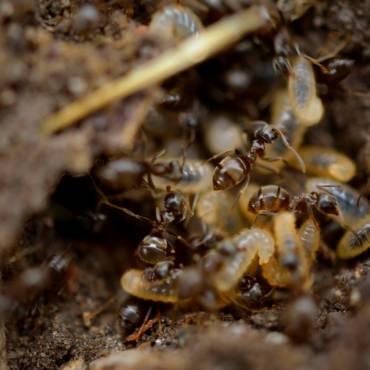
These signs often point to an active infestation rather than an old one. Termites build mud tubes to stay moist and protected while they travel between the nest and their food source. If those tubes look fresh, they are likely still in use.
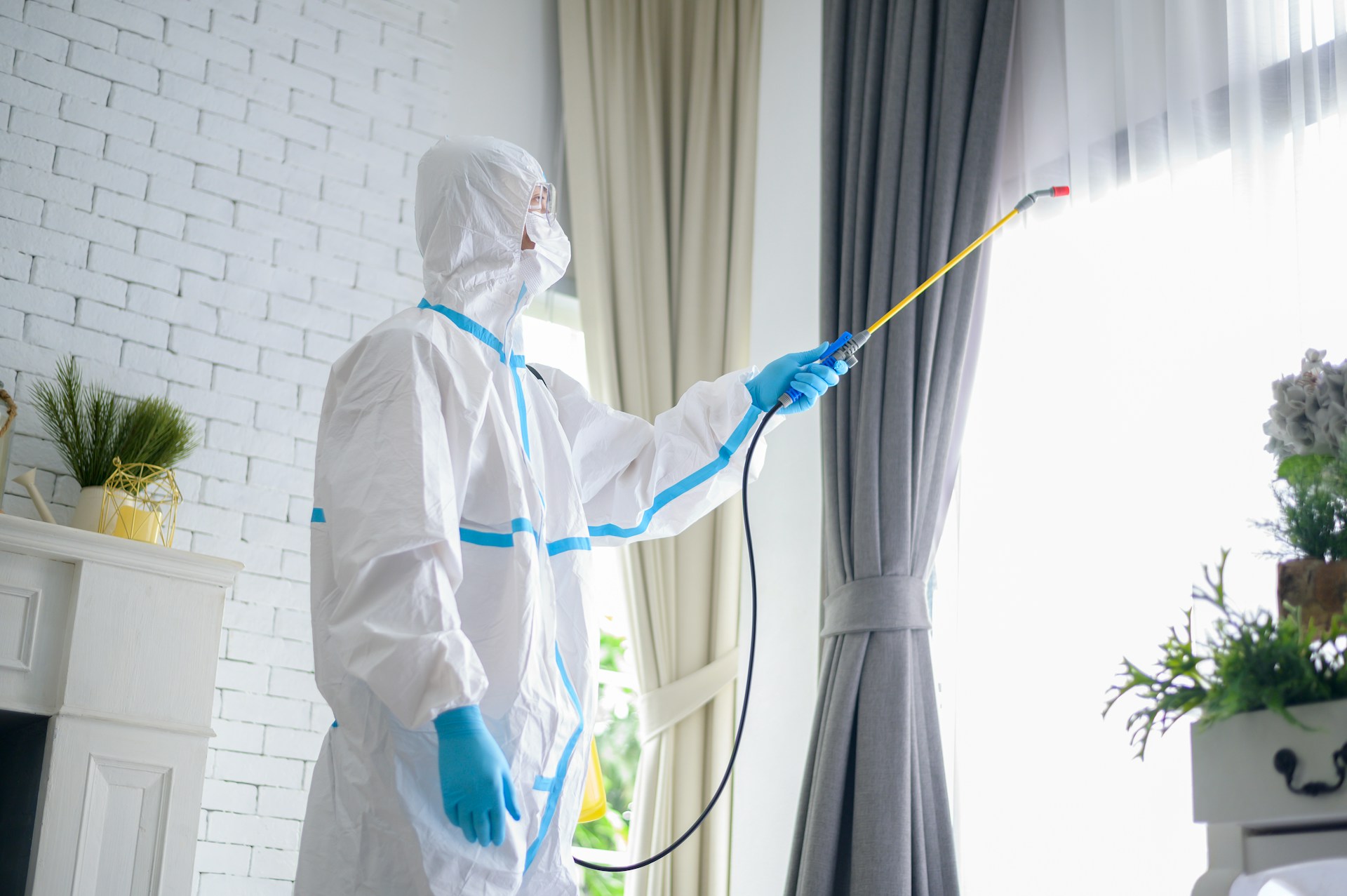
This is the time to organise termite treatment in Sunshine Coast as soon as you can. A trained technician can:
- Confirm if termites are active right now
- Work out how far they have spread through the structure
- Identify the type of termite, which helps decide the best treatment plan
Trying to break open timber or rip off skirting boards yourself can disturb the colony and push them into new areas, so it is better to leave the investigating to a professional.
Swarmers, Wings and Other Seasonal Warning Signs
On warm, humid afternoons and evenings, especially after rain, you might see a burst of flying insects around lights. Some of these can be flying ants, but some are termite swarmers, also called alates. They are the termites whose job is to start new colonies.
Key things to watch for include:
- Sudden clouds of flying termites around outdoor lights at dusk
- Winged insects inside the house near windows, doors or light fittings
- Neat piles of small, clear wings on windowsills, decks or around light fixtures
- New tiny mud spots or sealed pinholes in timber after you have noticed swarmers
Swarmers do not do the eating themselves, but they tell you there is a nest nearby. They could be coming from inside your home, under a deck, in a retaining wall or very close by on another structure.
If you see wings left behind or repeated swarming around your home, it is a strong sign you should book a professional termite inspection and talk about preventative termite treatment in Sunshine Coast. Acting at this stage can stop a new colony becoming a big problem later.
When Damp, Gardens and Renovations Attract Termites
Sometimes the warning is not about what termites are doing yet, but about what your home is offering them. Certain everyday conditions make a Sunshine Coast property more inviting to termites, even before you see any damage.
Common risk factors include:
- Moist soil from leaking outdoor taps or pipes
- Hot water system overflows or AC drains that dump water near the slab edge
- Poor drainage that keeps soil damp against the house
- Garden beds or mulch built right up to walls, posts or deck edges
- Timber sleepers, old fence posts or stumps touching the house
Stored items around the yard can also create trouble, such as:
- Piles of firewood or offcut timber sitting on bare soil
- Cardboard boxes stored in sheds or under the house
- Old tree stumps left to rot near the building
Renovations can add to the risk. New decks, extensions or patios may change how termites can enter the home. If termite protection is not updated when these works are done, little gaps or hidden junctions can become secret entry points.
Even if you cannot see termites yet, a mix of damp spots, timber in contact with soil and recent building work is enough reason to get a professional termite risk assessment. From there, you can set up a long-term protection plan that suits your style of home.
Act Now to Protect Your Sunshine Coast Home
The main message is simple: termites are easier to deal with when you act early. Ignoring small signs or clear risk factors often leads to bigger repair jobs and longer treatments down the track. Termites will keep working away whether we pay attention or not.
If you have noticed any of the early signs, like blistered paint, clicking in walls or sticky doors, try not to poke or scrape at the area. If you have seen mud tubes, hollow timber or piles of wings, treat it as urgent. Disturbing termites can make them spread, so it is better to leave things as they are until a licensed technician checks them.
At Extermapest, we work with Sunshine Coast homes and businesses every day, so we understand local building styles and conditions. A thorough termite inspection can confirm if there is current activity, show how at-risk your home is and lead to a termite treatment in Sunshine Coast that suits your property. Regular yearly inspections and long-term protection systems then keep your lifestyle, and your home, safe for the long term.
Protect Your Sunshine Coast Home From Costly Termite Damage
If you have spotted signs of termites or simply want peace of mind, our local team is ready to assess and protect your property with tailored solutions. Learn how our specialised termite treatment in Sunshine Coast can safeguard your home for the long term. At Extermapest, we take the time to explain your options clearly and schedule work at a time that suits you. To book an inspection or request a quote, simply contact us today.