Stop Termites Before They Eat Your Sunshine Coast Home
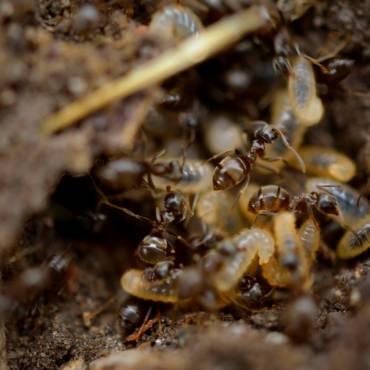
Termites do not care how long you have worked for your home. If they find timber, moisture and a hidden path inside, they get to work quietly. On the Sunshine Coast, with so many timber features and humid conditions, that can lead to serious damage before you see a single warning sign.
Because we work locally, we understand how our coastal climate, varied soil types and common building styles affect termite activity. Slab-on-ground homes, raised Queenslanders, duplexes, townhouses and older beach shacks: they all have different weak points. That matters a lot when choosing the right termite treatment in Sunshine Coast suburbs.
Here we will run through the main treatment options, what they involve, how long they usually take and what you can expect during and after the work. Mid-May is a great time to organise thorough inspections and plan termite protection, before spring swarms make colonies even more active.
Signs You May Need Termite Treatment Sooner Than You Think
Termites are sneaky. By the time you see obvious signs, they may have been inside for quite a while. On the Sunshine Coast, many homes show subtle clues long before big damage shows up.
Common warning signs include:
- Hollow-sounding skirting boards or window frames when you tap them
- Blistered or bubbling paint that looks like water damage but is dry to the touch
- Mud tubes on slab edges, brickwork or piers
- Doors and windows that suddenly stick or change alignment
- Small piles of discarded termite wings near windowsills or light fittings
Many people miss these hints because termites like dark, hidden spaces. They move through wall cavities, roof voids and subfloors. You may still be seeing normal life at home while they slowly eat from the inside out.
You should bring in a professional inspection if:
- You spot any of the signs above, even one small area
- A neighbour has recently had termite problems
- It has been more than 12 months since your last termite inspection
- You are planning a renovation or adding a deck or extension
Early checks mean more options and usually less disruption. Waiting rarely makes things easier.
Main Termite Treatment Options and How They Work
Every property is different, but most termite treatment in Sunshine Coast homes falls into a few main methods. Often we combine these for the best long-term result.
Chemical soil barriers
A chemical barrier is a treated zone in the soil around and sometimes under the house. The aim is simple: any termite that tries to pass through that zone picks up the treatment and does not survive for long.
There are two broad types of termiticide:
- Repellent products that termites sense and try to avoid
- Non-repellent products that termites cannot detect and move through normally
Non-repellent products are common because termites carry the treatment back to the colony as they groom each other. For slab-on-ground homes, we usually treat the soil around the full perimeter, and where needed, drill small holes through concrete paths or pavers to reach the soil beyond.
Termite baiting systems
Baiting systems work quite differently. We place in-ground stations around the property, often in garden beds and lawn areas. In some cases, we add above-ground stations directly on active termite leads or damaged timber.
Inside the stations is a special bait that termites like more than regular timber. They feed on it, then share it through the colony. Over time, this can bring down the entire nest.
Baiting is often preferred when:
- There is active termite activity that needs careful colony control
- The property has complex construction where full soil treatment is difficult
- Large areas of concrete, tiles or decks limit access to soil
- The home is close to waterways or has soil conditions that do not suit heavy trenching
Spot treatments and colony elimination
Dusts, foams and liquid spot treatments target live termites in a specific area, for example, inside a wall cavity. These products help control current activity but on their own do not give long-term protection.
We usually use spot treatments as:
- A first step to stop active damage
- A way to make sure termites keep feeding through a bait station
- Part of a larger plan that includes barriers, baiting or both
Choosing the right mix
Raised homes with good subfloor access might suit a combination of soil treatment and baiting in risk zones. Tight sites with lots of concrete may lean more towards baiting. Homes that have had termites before often benefit from layered protection plus close monitoring.
What Termite Treatment Costs on the Sunshine Coast
There is no single price that fits every home. A small unit will not cost the same to treat as a sprawling house on acreage, and a simple slab is different to a steep block with limited access.
What usually influences cost:
- Property size and layout
- Construction type, slab, piers, split level or a mix
- Access for trenching, drilling and inspection
- Level and spread of any existing infestation
- Previous renovations that may hide slab edges or original barriers
Soil treatments around larger or more complex homes tend to take more time and materials than simple layouts. Baiting systems have an initial setup phase, then ongoing monitoring visits to check stations and top up bait where needed. Professional inspections include a thorough check plus a written report, and these checks can be bundled with treatment plans in some cases.
When people compare cost to value, they often look at the potential repair bill if termites keep going unchecked. Structural repairs, replacement of damaged timbers and lost time away from normal life all add up. Insurance generally does not cover termite damage, so investing in professional treatment and ongoing monitoring is a way of protecting what is usually your biggest asset.
What to Expect During Professional Termite Treatment
Many homeowners feel nervous about what will happen on treatment day. Knowing the steps helps everything run smoothly.
The inspection
First, a licensed technician carries out a detailed inspection. They will:
- Check all accessible internal areas, including skirtings and window frames
- Look through the roof void where safe and possible
- Inspect external walls, slab edges, decks and fences
- Use tools such as moisture meters and sounding devices to detect hidden activity
After this, you receive a written report that points out any activity, damage and risk areas. The technician then explains the recommended treatment options so you can make an informed choice.
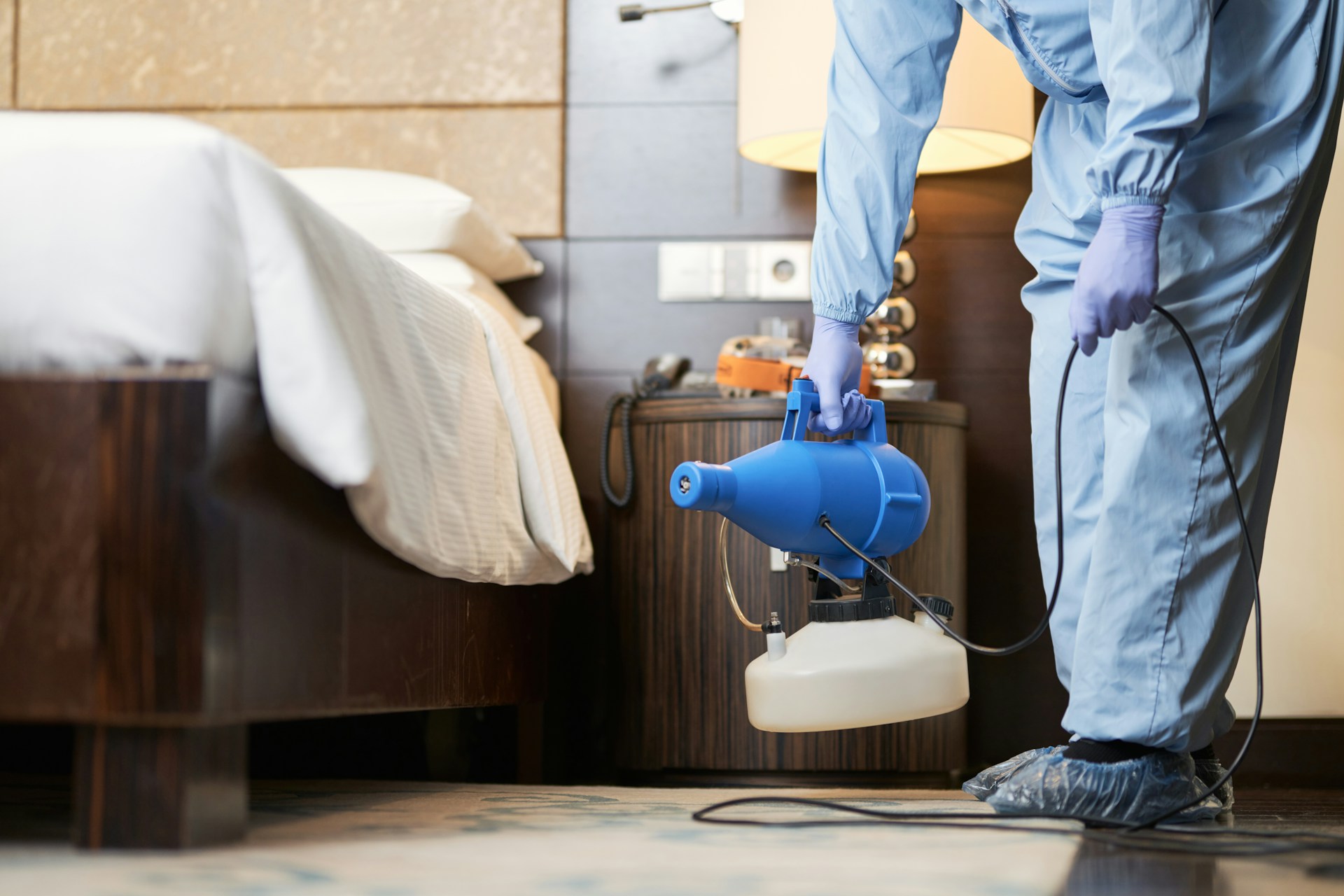
On the day of treatment
For most homes, treatment is done in a day, sometimes longer for larger or more complex sites. Technicians may work:
- Around the outside of your home, digging small trenches or drilling and injecting through concrete
- Inside, if spot treatments or bait stations are needed
- In the roof void or subfloor where access is safe
You might be asked to move items away from external walls, clear access to subfloor entry points or lift stored items in the garage. Pets may need to be kept indoors, outdoors, or away from specific areas for a set time, depending on the products used. Your technician will explain any safety steps and when you can return to normal use of treated zones.
After treatment
You can usually expect termite activity to decline as the treatment takes effect. With baiting, this may be gradual as the bait moves through the colony. Follow-up inspections are important to confirm the result and adjust the plan if needed.
Keep copies of all paperwork, including:
- Inspection reports
- Treatment plans and diagrams
- Product information and any warranties
These documents are helpful for future inspections, renovations and even when selling the property.
Protecting Your Home Year-Round After Treatment
Termite treatment in Sunshine Coast homes works best as part of an ongoing plan, not a one-off event. After treatment, there are simple habits that help keep your home lower risk.
Good termite protection habits include:
- Fixing leaks around showers, sinks and hot water systems quickly
- Improving airflow under the house if there is a subfloor
- Keeping garden beds, mulch and stored items away from external walls
- Avoiding stacked firewood or timber against the house
Regular inspections are just as important. Even with a barrier or baiting system in place, annual checks, or more often in high-risk homes, let us pick up any new activity before it causes big problems.
For new builds and major renovations, pre-construction termite solutions mean you can start with protection in place from day one. These systems, both physical and chemical, are designed to meet Australian Standards and work together with ongoing inspections once the building is complete.
As local Sunshine Coast technicians, we deal with the same termites that threaten your place, in the same climate and soil types, every day. That experience, combined with the right products and a clear plan, gives your home a strong defence against termites, season after season.
Protect Your Sunshine Coast Home From Termite Damage Today
If you have noticed signs of timber damage or just want peace of mind, we can help with thorough inspection and targeted termite treatment in Sunshine Coast. At Extermapest, we use proven methods suited to local conditions to protect your property for the long term. Reach out to our team to discuss your concerns and arrange a visit, or simply contact us to request a quote.